What's the Difference Between Broadcast and Non-Broadcast Voice Over Usage?

Usage rights are part of what you pay for when you hire a voice actor. The same recording can carry a very different fee depending on where it runs, how long it runs, and in which market.
For typical price ranges by project type, what voiceover costs in 2026 covers it in detail.
What counts as broadcast voiceover

Broadcast licenses cover paid placements on radio, TV, and similar channels, usually for a set market and a set period of time. Voices.com describes it as paid media rights for radio, television, or online ads in a particular market for a defined time period.
Campaign licenses commonly run from 13 weeks to two years, according to Voicecrafters. The same source notes that streaming services like Hulu can price close to broadcast rates for commercial ads, because the reach and the paid placement are similar.
Wider reach costs more. A local radio spot and a national TV campaign use the same voice, but the talent is giving up very different earning potential in each case.
What counts as non-broadcast voiceover
Non-broadcast covers unpaid, owned media. That includes explainer videos, e-learning, website video, internal training, podcasts, and organic social posts. Voices.com treats non-broadcast as unpaid media with perpetual use.
Voice Dragons pricing is built around non-broadcast projects like explainers, e-learning, web, internal, and social. Broadcast, radio, CTV, paid online ads, and other paid media placements are licensed separately.

Paid online ads
A voiceover in a paid Meta or YouTube ad is paid media. Voices.com puts online ads under broadcast, and Voice Dragons treats them as paid media that is licensed separately from non-broadcast projects. The label varies from one company to the next, and the usage is handled the same way.
Check the licensing terms wherever you hire, and ask directly if the terms do not mention paid online ads. Agencies such as Outspoken Voices price paid, promoted online ads higher than organic use, so paid placement tends to cost more than organic use no matter what a company calls it.
Tell the talent before you book
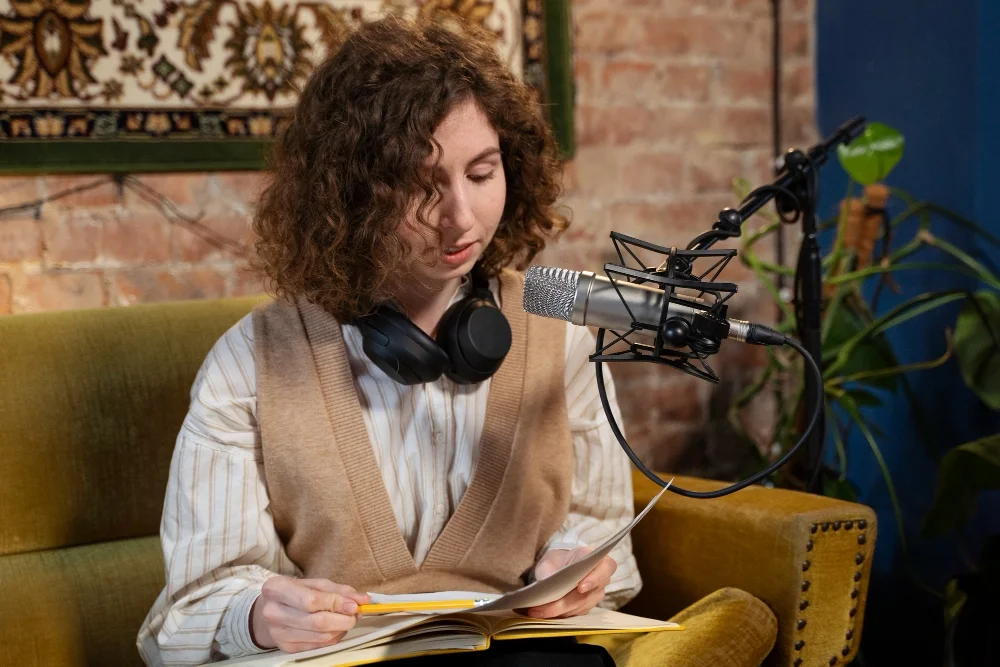
The biggest mistake I see is a buyer not telling the talent that the voiceover is for broadcast or paid media. Say it up front, in the job message or the brief.
Include where the voiceover will run, how long it will run, and which market it will reach. Talent set their fees based on that information, and a recording made under one set of terms should not end up in a different campaign without a conversation first. The rest of what to confirm up front is covered in questions to ask voice talent before you hire.
What happens on Voice Dragons
When a project needs broadcast or paid media usage, the Voice Dragons team works directly with the client to negotiate a fair fee for the talent. You do not have to figure out the numbers on your own.
If an ad ends up running under broader usage than the job was booked for, Voice Dragons reaches out to the client to arrange fair compensation for the talent. The client can also choose to take the ad down. The goal is to make sure the talent is paid for the usage their voice is getting.
Disclosing usage up front avoids all of that and keeps the project moving.
A quick way to decide
If the voiceover will run in paid TV, radio, CTV, or online ad placements such as Meta and YouTube, plan for a broadcast or paid media quote and mention it when you post the job. If it will live on your website, in a course, in an internal video, or on your organic social channels, it is non-broadcast. If you are not sure, ask before you book.
Key Takeaways
- Broadcast and paid media voiceover run in paid placements like TV, radio, and online ads. Non-broadcast runs in unpaid, owned channels.
- Usage rights are part of the price, based on where the voiceover runs, for how long, and in which market.
- Platforms define paid online ads differently, so check the licensing terms wherever you hire.
- On Voice Dragons, a voiceover in a paid Meta or YouTube ad is paid media and is licensed separately.
- Tell the talent up front if the voiceover is for broadcast or paid media.
- For broadcast or paid media, the Voice Dragons team works with you directly to arrange a fair fee for the talent.