
Most buyers spend time listening to demos and not enough time asking questions. A great demo tells you what a voice actor can sound like. The right questions tell you whether they're actually the right person for your project. Here's what to ask before you commit.
Questions About Experience and Client Background
Start with the basics. How long have they been working as a voice actor? Experience matters, but the follow-up question is more revealing: who typically hires them? Do they work mostly with small businesses, creative directors at agencies, or production companies? A talent who regularly works with creative directors understands how to take direction. A talent who mostly handles one-off small business jobs may not have that same experience being guided through a session.
Knowing which one you're dealing with helps you set expectations for how the session will go. It also shapes how you give feedback when you get the first take back. The approach that works with a seasoned talent is different from what a newer voice actor needs to hear.
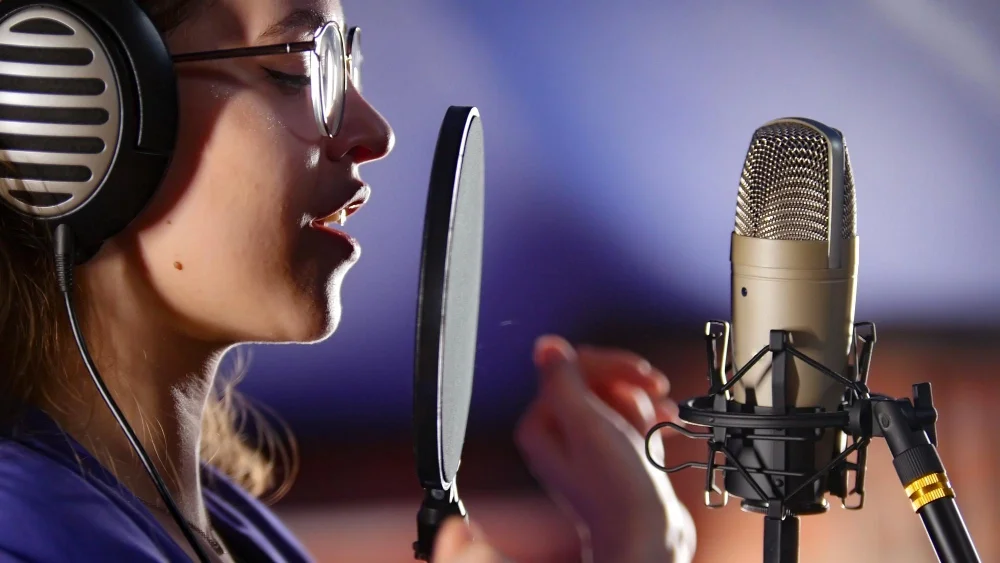
Questions Buyers Should Ask
Two questions that rarely come up but should: Are you comfortable with any type of content? Is there content you prefer not to voice?
This matters more than people expect. Some voice actors won't record content related to alcohol, gambling, political advertising, or certain health categories. Finding that out after you've hired someone and sent the script wastes everyone's time. Ask upfront and you avoid the problem entirely.
Questions About Turnaround Time
Always ask how much time they need for your specific script length. A short ad spot is different from a 10,000-word e-learning course, and a professional voice actor should be able to give you a clear answer based on what you're sending them.
The red flag is a delivery window that's too long without a good reason behind it. Professional talent working from a home studio should be able to turn around short to medium scripts within 24 hours. If someone can't commit to that or hedges significantly, it's worth asking why. Availability and responsiveness are part of the job.
Questions About Gear and Technical Setup
Ask specifically about their recording environment and equipment. A professional voice actor should be able to tell you without hesitation what microphone they use, what preamp or audio interface they're running, how their booth or recording space is treated, and what their post-production process looks like. For a closer look at why that technical setup matters for the quality of your finished file, that's covered in detail.
These are baseline indicators of whether someone is set up to deliver professional-quality audio. A talent who can't answer them clearly either doesn't have the right setup or hasn't invested enough in understanding what makes their recordings sound the way they do. Either way, that's useful information before you hire. It's also worth asking whether they support live directed sessions and which tools they prefer for the connection.
Also ask about file formats. What do they deliver — WAV, MP3, AIFF? Can they match the specs your project requires? Professional talent should be flexible here and know exactly what they're delivering. WAV files are the standard, and they should be able to deliver that.
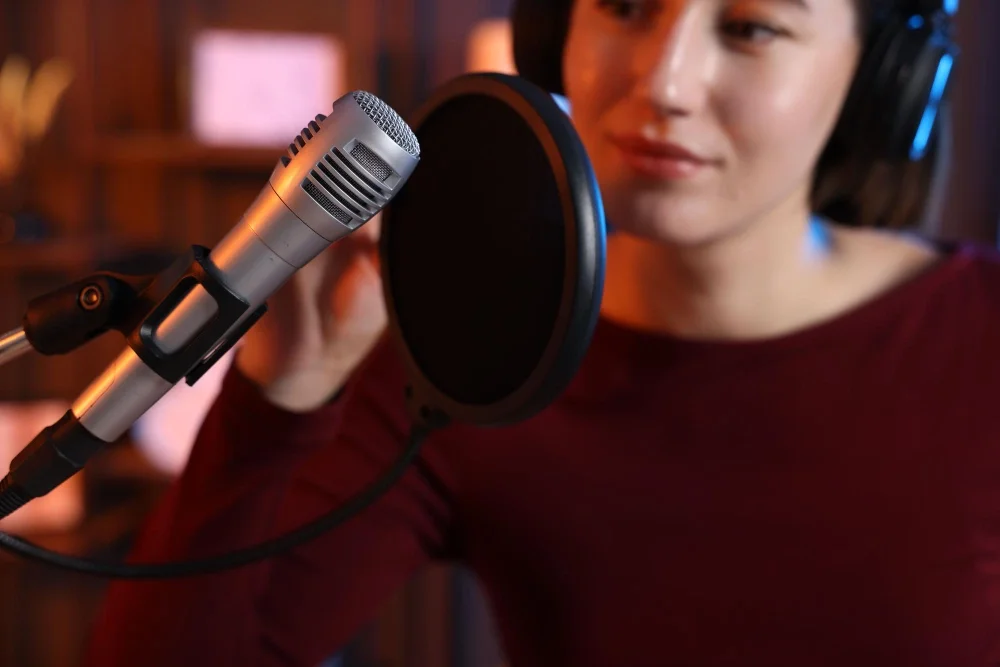
Questions About Licensing and Revisions
Ask whether the quote includes full buyout licensing or whether there are usage restrictions. Ask how many revisions are included — for a full explanation of how revisions work when hiring voice talent and what's actually reasonable to expect, that covers it in detail. These questions protect you from surprise costs after the job is done.
On Voice Dragons, these questions are already answered before you hire. Flat-rate pricing, full buyout licensing, and a clear revision policy are built into every job on the platform. But if you're hiring outside a structured marketplace, you need to ask.
What the Wrong Answers Sound Like
When Voice Dragons vets talent for the platform, two things will get someone passed over quickly. The first is hesitation on 24-hour delivery for standard scripts. Professional voice actors working from a dedicated home studio should be able to commit to that. If they can't, it raises questions about how seriously they're running their business.
The second is not being able to name their gear. A working professional knows their equipment. If a voice actor can't tell you what microphone they use or how their space is treated, that's a signal they haven't built the kind of setup that produces consistent, professional results.
Asking these questions before you hire takes five minutes. Getting the wrong answers after the fact costs a lot more than that. For other red flags to watch for before you hire — beyond what these questions surface — that post covers the full list.