Voiceover Pricing: Studio Quality vs. Remote Recordings
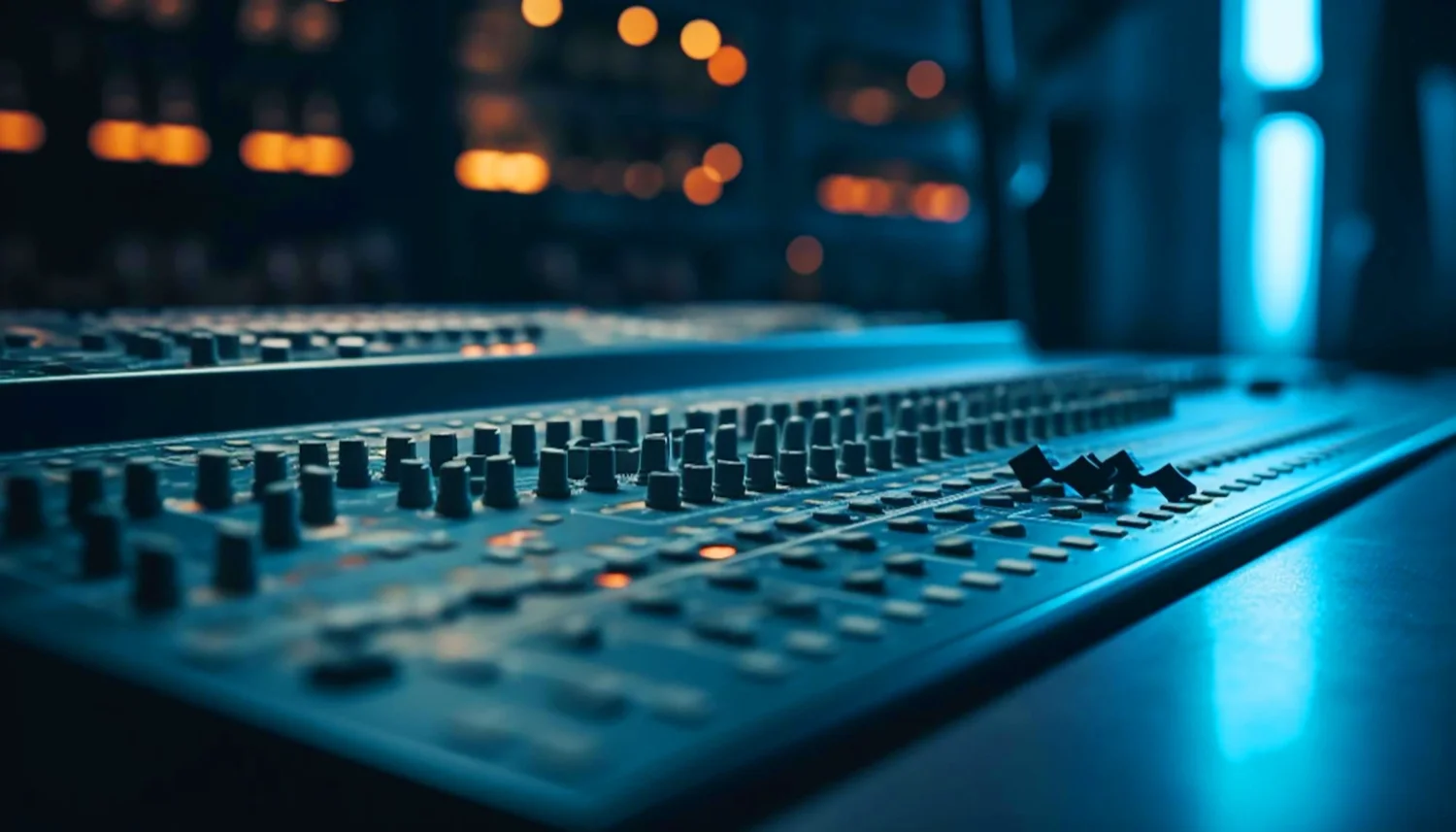
Not long ago, hiring a voice actor meant booking time in a professional recording studio. That's changed significantly. Equipment that used to cost tens of thousands of dollars is now accessible to individual voice actors working from home, and the quality gap between a well-run home studio and a professional facility has closed to the point where most buyers can't hear the difference. Understanding what drives that quality — and what drives the price — helps you make a smarter decision for your project.
The Gap Has Closed, But Setup Still Matters
A home recording can absolutely compete with a studio recording today. The key word is "can." Not every home setup is equal, and the difference between a professional-quality remote recording and a mediocre one comes down to a few specific things.
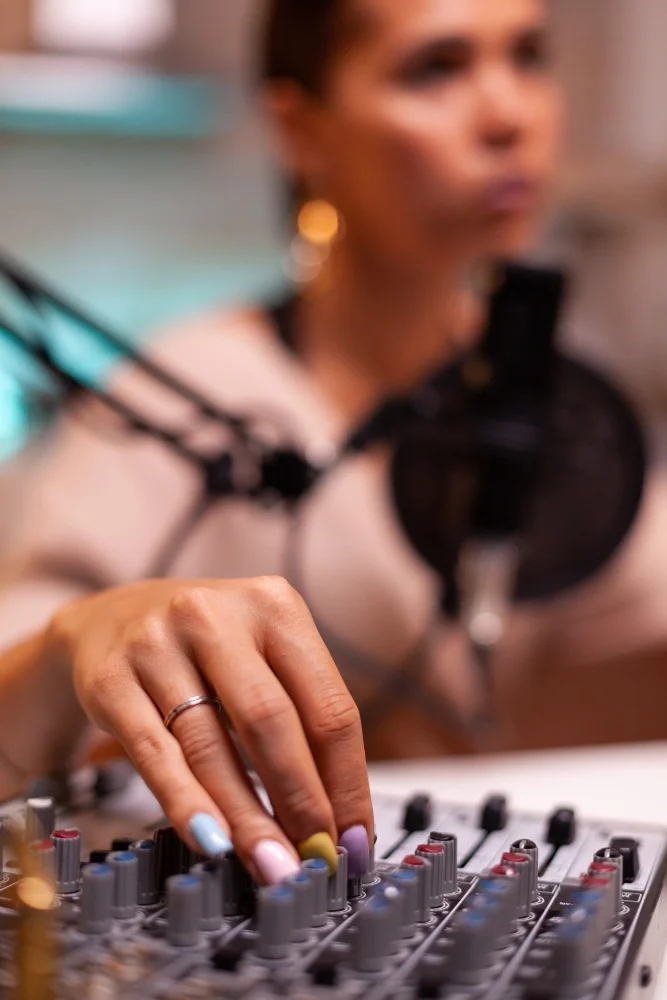
The microphone is the starting point. Condenser microphones are the most popular choice for voice actors due to their enhanced sensitivity, which picks up greater detail in the voice. Brands like Shure, AKG, and Audio-Technica are common among working professionals, and the investment doesn't need to be extreme to yield professional results.
The audio interface is equally important. Focusrite Scarlett, PreSonus, and Universal Audio are popular choices among voice actors for converting the microphone signal cleanly into a digital recording. A cheap interface introduces noise and inconsistency that post-production can't always fix.
Room acoustics may be the most overlooked factor of all. The acoustics of your room have more to do with sound quality than perhaps anything else in your studio. Hard walls, glass windows, and reflective surfaces create acoustic problems — your voice bounces around the room, picking up echoes and reflections. Professional talent addresses this with foam panels, bass traps, portable isolation booths, or purpose-built recording spaces within their homes.
When all of these elements are in place, a remote recording is indistinguishable from a studio session for the vast majority of projects. If you're ready to start looking, here's a guide to how to hire voice talent with the right setup for your specific project.
What Studio Sessions Actually Cost — and Who Needs One
Professional studio sessions involve more than the room. You're paying for the facility, the engineer, the equipment, and often the scheduling overhead that comes with booking a commercial space. For high-end national campaigns or projects where multiple stakeholders need to be present — a creative director, an agency producer, a brand representative — a studio makes logistical sense. Everyone listens together, direction happens in real time, and the session is managed by an engineer whose only job is the audio.
For most projects, that level of infrastructure isn't necessary. Local ads, e-learning content, YouTube narration, podcast sponsorships, corporate videos — all of these are regularly produced with remote talent at professional quality without anyone missing the studio environment. For why location stopped being a meaningful factor in voiceover production, that covers the full context.
For specific numbers on what remote voice talent costs for these project types, that breakdown covers the full range.
How to Know What You're Getting Before You Hire
The demo is your clearest signal. A voice actor's demo was recorded in their actual working environment on their actual equipment. If it sounds clean, balanced, and free of room noise or reverb, that's what your finished audio will sound like too. If the demo has any of those issues, the finished file will as well.
Listen specifically for reverb, which is the most common sign of an undertreated recording space. Also listen for the noise floor — the subtle background hiss or hum present when no one is speaking. Both of these are difficult or impossible to remove cleanly in post-production and are reliable indicators of whether a talent's setup is genuinely professional. For other red flags to watch for when evaluating a voice actor beyond audio quality alone, that post covers the full list.
How Voice Dragons Handles This
Voice Dragons requires all talent on the platform to record with professional gear, and that standard shows up directly in their demos. Every voice listed has been vetted for audio quality before being accepted, so when you audition someone on the platform, you're hearing what your finished file will sound like.
That vetting removes the guesswork that comes with hiring on open freelance platforms where anyone can upload a profile. On Voice Dragons, the quality standard is set before a talent ever receives a job, which means buyers spend less time sorting through substandard demos and more time finding the right voice for their project.